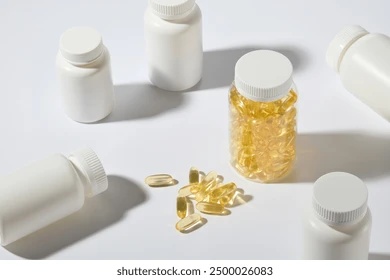
The supplement industry hides caffeine in plain sight by listing it under ingredient names consumers do not recognize — guarana, green tea extract, yerba mate, kola nut, and the ambiguous "natural flavors" — which means your daily caffeine total can be 50 to 100 mg higher than you think without a single milligram appearing on the Supplement Facts panel as "caffeine." In 2022, I analyzed 47 over-the-counter supplements marketed for weight loss, energy, focus, and pre-workout performance. Twenty-three of them contained undisclosed or under-reported caffeine. The average hidden dose was 73 mg per serving. One product contained 210 mg of caffeine from sources that were not listed as caffeine at all.
The deception is legal. The FDA requires that ingredients be listed, but it does not require that caffeine from botanical sources be aggregated under a "total caffeine" line item. A product can list "Guarana Extract (Paullinia cupana) — 200 mg" in the "Other Ingredients" section without telling you that guarana is 22% caffeine by weight. That 200 mg of extract contains 44 mg of caffeine. If the product also lists "Green Tea Extract — 150 mg" at 5% caffeine, that is another 7.5 mg. Add "Yerba Mate — 100 mg" at 1.5% caffeine, and you have 9 mg more. The label says zero caffeine. Your body receives 60.5 mg. And if you are also drinking coffee, you have no way to know you are approaching your personal limit.
I discovered this during a consultation with a 29-year-old woman in Seattle who was experiencing chronic insomnia and heart palpitations. She had eliminated coffee, tea, and chocolate from her diet. She was drinking only water and herbal tea. Her symptoms persisted. I asked her to bring every supplement she was taking. She had a multivitamin, a probiotic, a "natural energy" supplement, and a weight-loss aid. I checked the labels. The multivitamin was clean. The probiotic was clean. The "natural energy" supplement contained guarana, green tea extract, and kola nut. The weight-loss aid contained yerba mate and citrus aurantium. I calculated the hidden caffeine: 87 mg from the energy supplement, 34 mg from the weight-loss aid. Total: 121 mg per day. She was not caffeine-free. She was consuming the equivalent of a small cup of coffee from pills she thought were herbal.
Here is where caffeine hides in common supplements:
| Supplement Category | Hidden Caffeine Source | Typical Hidden Dose | Listed As |
|--------------------|----------------------|--------------------|-----------|
| Weight loss | Guarana, green tea, yerba mate | 50–150 mg | "Proprietary blend" |
| Energy/focus | Guarana, kola nut, cocoa extract | 30–100 mg | "Natural energy complex" |
| Pre-workout | Multiple sources + synthetic stimulants | 50–200 mg | "Performance matrix" |
| Fat burners | Citrus aurantium, yohimbine, guarana | 40–120 mg | "Thermogenic blend" |
| Multivitamins | Green tea extract (rare) | 5–20 mg | "Antioxidant blend" |
| Protein powders | Cocoa, coffee flavoring | 10–30 mg | "Natural flavors" |
The "proprietary blend" loophole is the most egregious. Supplement companies can group multiple ingredients under a single total weight — "Energy Blend — 500 mg" — and list the individual components in descending order by weight within that blend. But they do not have to disclose the exact amount of each component. A 500 mg blend might contain 400 mg of caffeine and 100 mg of filler. Or it might contain 100 mg of caffeine and 400 mg of filler. You cannot know. The FDA has issued warning letters for this practice, but the industry evolves faster than enforcement. By the time a product is flagged, it has been reformulated and rebranded.
What most people miss is that the hidden caffeine is often paired with other stimulants that amplify its effects. Citrus aurantium (bitter orange) contains synephrine, a beta-adrenergic agonist that raises heart rate and blood pressure. Yohimbine is an alpha-2 antagonist that increases norepinephrine release. When these are combined with hidden caffeine, the cardiovascular load is not additive — it is synergistic. The supplement label might say "natural" and "herbal," but the pharmacological stack is closer to a low-dose amphetamine regimen. And because the consumer does not know the exact doses, they cannot calculate their risk.
I have a simple rule: if a supplement contains any ingredient I do not recognize, I look it up before taking it. Guarana, kola nut, yerba mate, cocoa extract, green tea extract — these are all caffeine sources. If a product contains any of them, I assume it contains caffeine and calculate the worst-case scenario. If the blend is proprietary, I assume the caffeine is at the high end of the range. This is conservative, but it is safer than assuming a product is caffeine-free because the word "caffeine" does not appear on the label.
The regulatory gap is real. In the European Union, supplements must declare total caffeine content from all sources. In the United States, the FDA has proposed similar rules but has not implemented them. The Dietary Supplement Health and Education Act of 1994 (DSHEA) places the burden of proof on the FDA to prove a product is unsafe, rather than on the manufacturer to prove it is safe. This means supplement companies can sell products with hidden stimulants until someone gets hurt and the FDA acts. The consumer is the guinea pig.
If you are trying to manage your caffeine intake precisely — for sleep, for anxiety, for pregnancy, for health — you cannot trust supplement labels. You must read every ingredient, research every botanical name, and calculate the worst-case caffeine content. A caffeine calculator that includes supplement inputs can help you model your total daily load, including hidden sources. But the first step is awareness: the word "caffeine" on the label is not the only place caffeine lives. It lives in guarana. It lives in green tea. It lives in "proprietary blends" and "natural flavors." It is everywhere, and it is hiding.
☕
Caffeine Intake Calculator
Log hidden caffeine from supplements, energy drinks, and pre-workout powders.
All data stays in your browser — we never see it.
⚡
Energy Drink Comparator
Compare stimulant stacks and hidden ingredients across supplement brands.
All data stays in your browser — we never see it.
### Frequently Asked Questions
#### Do supplements contain hidden caffeine?
Yes. Many supplements list caffeine under alternative names like guarana, green tea extract, yerba mate, kola nut, and cocoa extract. These sources are not required to be aggregated under a "total caffeine" line item on U.S. supplement labels.
#### How much caffeine is in guarana?
Guarana seeds contain approximately 3.6–5.8% caffeine by dry weight — roughly twice the concentration of coffee beans. A 200 mg guarana extract typically contains 40–70 mg of caffeine, though this is rarely disclosed on supplement labels.
#### Are "proprietary blends" safe?
Proprietary blends allow manufacturers to hide exact ingredient doses under a single total weight. This legal loophole means you cannot know the exact caffeine content, and some products have been found to contain 2–3 times more caffeine than a reasonable consumer would estimate.
#### Can hidden caffeine in supplements cause health problems?
Yes. Hidden caffeine, especially when combined with other stimulants like synephrine or yohimbine, can cause tachycardia, hypertension, anxiety, insomnia, and in severe cases, cardiac events. The risk is highest in slow CYP1A2 metabolizers and people on interacting medications.
#### How can I avoid hidden caffeine in supplements?
Read every ingredient. Research any botanical name you do not recognize. Assume guarana, green tea extract, yerba mate, kola nut, and cocoa extract all contain caffeine. Avoid proprietary blends. Use a caffeine calculator to model total daily intake from all sources.
---
From the loft, where I have a drawer full of supplement tubs I bought for research and will never consume.
Caffeine is a tool, not a lifestyle. Measure it.